



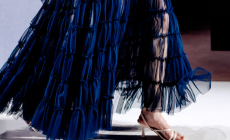








The power of the colours you wear.
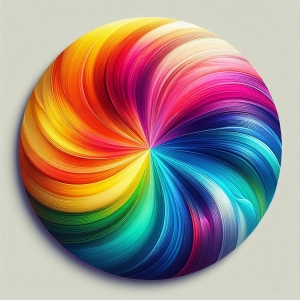
The Power of Color: How Colors Affect Your Mood and the Statements They Make
Introduction
– There is importance in the colour you choose to wear.
How specific colors can influence mood and convey messages to others.
Section 1: Understanding Color Psychology
– Definition of color psychology.
– Explanation of how colors can influence emotions and perceptions.
– Brief history and background of color psychology in different cultures and periods.
Section 2: The Emotional Impact of Colors
1. Red
– Description: A powerful and bold color.
– Emotional Impact: Can evoke feelings of passion, excitement, and urgency.
– Statement to Others: Suggests confidence, energy, and sometimes aggression.
2. Blue
– Description: A calming and serene color.
– Emotional Impact: Promotes feelings of tranquility, trust, and stability.
– Statement to Others: Conveys professionalism, reliability, and calmness.
3. Yellow
– Description: A bright and cheerful color.
– Emotional Impact: Encourages happiness, optimism, and warmth.
– Statement to Others: Indicates friendliness, creativity, and enthusiasm.
4. Green
– Description: A natural and soothing color.
– Emotional Impact: Associated with growth, harmony, and safety.
– Statement to Others: Implies balance, health, and prosperity.
5. Purple
– Description: A luxurious and mysterious color.
– Emotional Impact: Can inspire creativity, wisdom, and dignity.
– Statement to Others: Suggests sophistication, spirituality, and ambition.
6. Orange
– Description: A vibrant and energetic color.
– Emotional Impact: Invokes enthusiasm, excitement, and warmth.
– Statement to Others: Conveys playfulness, creativity, and determination.
7. Pink
– Description: A soft and nurturing color.
– Emotional Impact: Promotes feelings of love, compassion, and comfort.
– Statement to Others: Indicates gentleness, femininity, and nurturing.
8. Black
– Description: A strong and authoritative color.
– Emotional Impact: Can evoke power, elegance, and formality.
– Statement to Others: Conveys sophistication, exclusivity, and sometimes intimidation.
9. White
– Description: A pure and clean color.
– Emotional Impact: Associated with simplicity, cleanliness, and peace.
– Statement to Others: Implies purity, minimalism, and neutrality.
10. Gray
– Description: A neutral and balanced color.
– Emotional Impact: Can evoke feelings of calmness, neutrality, and sophistication.
– Statement to Others: Suggests professionalism, formality, and timelessness.
# Section 3: The Role of Colors in Different Contexts
– Fashion
– How different colors in clothing can affect mood and perception.
– Examples of how to use color to make a statement with your wardrobe.
– Interior Design
– The impact of color choices in home and office environments.
– Tips for using color to create desired moods in different spaces.
– Marketing and Branding
– How businesses use color to influence consumer behavior.
– Case studies of successful color usage in branding and advertising.
# Section 4: Cultural Variations in Color Perception
– Explanation of how different cultures perceive and react to colors.
– Examples of cultural differences in color symbolism.
– Tips for considering cultural context when choosing colors.
# Section 5: Practical Tips for Using Color to Influence Mood and Make Statements
– How to choose colors that align with your desired mood and message.
– Practical applications in everyday life: from personal style to professional settings
The Power of Color: How Colors Affect Your Mood and the Statements They Make
# Introduction.
From the vibrant hues of a sunset to the calming shades of a serene ocean, color is an integral part of our daily lives. It has the power to evoke emotions, influence decisions, and convey messages without uttering a single word. This phenomenon, known as color psychology, is not only a fascinating subject but also a practical tool used in various fields such as marketing, fashion, interior design, and personal branding.
The purpose of this blog is to delve into the world of color psychology, exploring how specific colors can influence our mood and the statements they make to others. By learning the emotional impact of colors, you can make more informed choices in your personal and professional life, enhancing your ability to communicate and connect with others.
# Section 1: Understanding Color Psychology
The psychology is the study of how colors affect peoples behavior and emotions. It is a field that combines elements of psychology, art, and design to understand the powerful effects that colors can have on our mental and emotional states. While the impact of color can be different for different people, and influenced by personal experiences and cultural backgrounds, certain trends and patterns have been observed across different demographics.
Historically, color has held significant meaning in various cultures and periods. For example, in ancient Egypt, colors were used in rituals and had symbolic meanings. Similarly, in medieval Europe, color was an important aspect of heraldry and conveyed information about lineage and status. Today, the principles of color psychology are applied in numerous industries to create desired reactions and perceptions.
—
Would you like me to continue with the detailed draft for each section, or do you have any specific areas you’d like to focus on or modify?
carry on please
Of course! Let’s continue with the detailed draft for each section.
—
Section 2: The Emotional Impact of Colors
Red
– Description: A powerful and bold color, red is often associated with strong emotions.
– Emotional Impact: Red can evoke feelings of passion, excitement, and urgency. It can increase heart rate and create a sense of alertness.
– Statement to Others: Wearing or using red can suggest confidence, energy, and assertiveness. It can also indicate aggression or a desire to stand out.
Blue
– Description: A calming and serene color, blue is often linked to the sky and the sea.
– Emotional Impact: Blue promotes feelings of tranquility, trust, and stability. It helps reduce stress and creates a feeling of calmnesss.
– Statement to Others: Blue conveys professionalism, reliability, and calmness. It’s often used in corporate settings to establish trust and dependability.
## Yellow
– Description: A bright and cheerful color, yellow is reminiscent of sunlight and warmth.
– Emotional Impact: Yellow encourages happiness, optimism, and energy. This colour greatly stimulates you mentally, while evoking feelings of pure joy.
– Statement to Others: Yellow indicates friendliness, creativity, and enthusiasm. It can make you appear more approachable and lively.
## Green
– Description: A natural and soothing color, green is associated with nature and tranquility.
– Emotional Impact: Green is linked to growth, harmony, and safety. It can create a sense of balance and rejuvenation.
– Statement to Others: Green implies balance, health, and prosperity. It’s often used to convey eco-friendliness and sustainability.
## Purple
– Description: A luxurious and mysterious color, purple has historical ties to royalty and spirituality.
– Emotional Impact: Purple can inspire creativity, wisdom, and dignity. It often evokes feelings of mystery and introspection.
– Statement to Others: Purple suggests sophistication, spirituality, and ambition. It can make you appear more imaginative and noble.
Orange
– Description: A vibrant and energetic color, orange mixes the warmth of red and the cheerfulness of yellow.
– Emotional Impact: Orange invokes enthusiasm, excitement, and warmth. It can stimulate appetite and social interaction.
– Statement to Others: Orange conveys playfulness, creativity, and determination. It’s a color that stands out and draws attention.
Pink
– Description: A soft and nurturing color, pink is often associated with love and tenderness.
– Emotional Impact: Pink promotes feelings of love, compassion, and comfort. It can have a calming effect and reduce aggression.
– Statement to Others: Pink indicates gentleness, femininity, and nurturing. It can make you appear more caring and approachable.
Black
– Description: A strong and authoritative color, black is often associated with elegance and formality.
– Emotional Impact: Black can evoke power, elegance, and seriousness. It can also create a sense of mystery and sophistication.
– Statement to Others: Black conveys sophistication, exclusivity, and sometimes intimidation. It’s often used to make a bold and strong statement.
White
– Description: A pure and clean color, white is often linked to simplicity and peace.
– Emotional Impact: White is associated with simplicity, cleanliness, and peace. It can create a sense of openness and clarity.
– Statement to Others: White implies purity, minimalism, and neutrality. It can make you appear more organized and clean.
Gray
– Description: A neutral and balanced color, gray is often seen as conservative and sophisticated.
– Emotional Impact: Gray can evoke feelings of calmness, neutrality, and sophistication. It often creates a sense of balance and stability.
– Statement to Others: Gray suggests professionalism, formality, and timelessness. It’s often used to convey maturity and reliability.
Section 3: The Role of Colors in Different Contexts
Fashion
Color plays a big role in fashion, influencing how we feel and how others perceive us. The colors we wear can reflect our mood, and the mood of others.
– Red in Fashion: Wearing red can make a powerful statement, suggesting confidence and boldness. It’s perfect for occasions where you want to stand out or make an impression.
– Blue in Fashion: Blue is a safe choice for professional settings, as it conveys reliability and calmness. It’s often used in corporate attire and uniforms.
– Yellow in Fashion: Yellow can brighten up your wardrobe and mood, making you appear more cheerful and approachable. It’s great for casual and creative settings.
– Green in Fashion: Green clothing can give off a balanced and refreshing vibe, perfect for eco-friendly events or casual outings.
– Purple in Fashion: Purple can add a touch of luxury and creativity to your outfit, making it suitable for artistic and formal occasions.
– Orange in Fashion: Orange can be a fun and energetic addition to your wardrobe, ideal for social events and parties.
– Pink in Fashion: Pink can make you appear more nurturing and gentle, suitable for casual and romantic settings.
– Black in Fashion: Black is a timeless choice that exudes elegance and authority, perfect for formal events and professional settings.
– White in Fashion: White can create a clean and crisp look, ideal for summer outfits and minimalist styles.
– Gray in Fashion: Gray can add a touch of sophistication and neutrality to your outfit, suitable for both professional and casual settings.
Interior Design
Color choices in interior design can impact on your mood.
– Red in Interiors: Red can add energy and warmth to a room, making it useful for living rooms.
– Blue in Interiors: Blue can creates a serene environment, perfect for upstairs rooms.
– Yellow in Interiors: Yellow can brighten up a space and evoke feelings of happiness, making it suitable for kitchens and playrooms.
– Green in Interiors: Green can add a touch of nature and tranquility, ideal for home offices and living rooms.
– Purple in Interiors: Purple can create a luxurious and creative atmosphere, perfect for bedrooms and artistic spaces.
– Orange in Interiors: Orange can add vibrancy and warmth to a room, suitable for social spaces and workout areas.
– Pink in Interiors: Pink can create a nurturing and comforting environment, ideal for bedrooms and nurseries.
– Black in Interiors: Black can add sophistication and elegance, perfect for modern and minimalist designs.
– White in Interiors: White can create a clean and open space, suitable for any room in the house.
– Gray in Interiors: Gray can add a touch of neutrality and balance, ideal for living rooms and offices.
Marketing and Branding
Businesses often use color to influence consumer behavior and convey their brand message. Here are some examples of how different colors are used in marketing and branding.
– Red in Marketing: Red can create a sense of urgency and excitement, making it ideal for clearance sales and promotions.
– Blue in Marketing: Blue can establish professionalism, often used by financial salesmen, it is the advised colour to wear in job interviews, as it evokes trust in the wearer.
– Yellow in Marketing: Yellow can grab attention and evoke feelings of happiness, suitable for children’s products and food brands.
– Green in Marketing: Green can convey eco-friendliness and health, often used by organic and sustainable brands.
– Purple in Marketing: Purple can suggest luxury and creativity, suitable for high-end products and artistic brands.
– Orange in Marketing: Orange can evoke enthusiasm and energy, often used by sports brands and fast food chains.
– Pink in Marketing: Pink can appeal to a younger and more feminine audience, suitable for beauty and fashion brands.
– Black in Marketing: Black can create a sense of exclusivity and sophistication, ideal for luxury brands and formal products.
– White in Marketing: White can convey simplicity and purity, often used by tech companies and minimalist brands.
– Gray in Marketing: Gray can suggest professionalism and neutrality, suitable for corporate branding and tech products.
Section 4: Cultural Variations in Colour meaning.
The perception of color can vary in meaning in different cultures, making it important to consider cultural context when choosing colors.
– Red in Different Cultures: In China, red is a symbol of good luck and prosperity, often used in celebrations. In Western cultures, red can signify love and passion.
– Blue in Different Cultures: In many cultures, blue is associated with trust and stability. In Hinduism, blue is linked to the divine and the infinite.
– Yellow in Different Cultures: In Japan, yellow represents courage and nobility. In Western cultures, it is often associated with happiness and cheerfulness.
– Green in Different Cultures: In Islamic cultures, green is a sacred color symbolizing paradise. In Western cultures, it is linked to nature and health.
– Purple in Different Cultures: In many cultures, purple is associated with royalty and spirituality. In Thailand, widows mourn in this colour.
– Orange in Different Cultures: In Hinduism, orange is a sacred color representing fire and purity. In Western cultures, it is associated with autumn and warmth.
– Pink in Different Cultures: In Japan, pink is linked to cherry blossoms and represents spring. In Western cultures, it is often associated with femininity and romance

