






Korean beauty is so popular now…WHY?
Summary
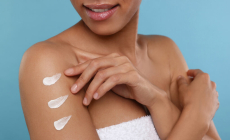
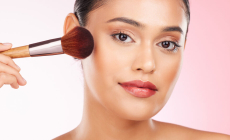
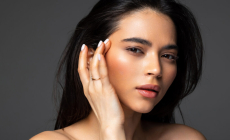
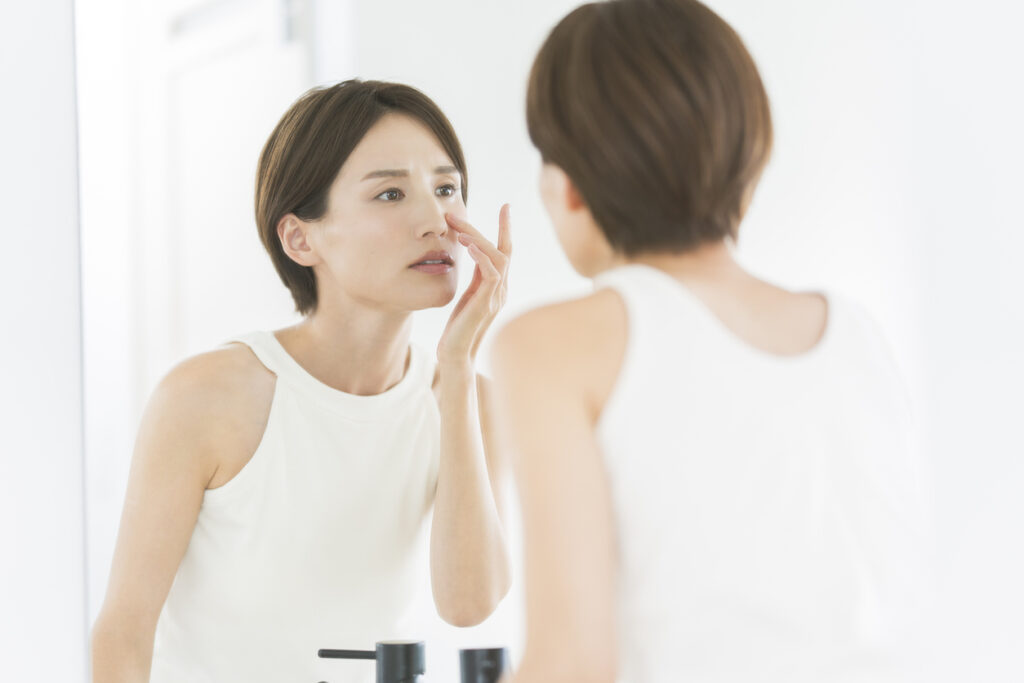
The image is of a lady applying skincare to her own face.
Korean skincare has officially moved beyond trend status. What once felt niche—sheet masks, essence toners, and “glass skin”—has become part of the beauty mainstream, with K-beauty brands continuing to drive some of the industry’s biggest skincare conversations. In recent months, interest has surged again as consumers move away from harsh, overcomplicated routines in favour of healthier, more balanced skin. If you’re considering trying Korean skincare for the first time, there are a few key things worth knowing before you start.
Unlike traditional Western skincare, which has often focused on correcting concerns after they appear, K-beauty takes a more preventative approach. The focus is on hydration, maintaining the skin barrier, and supporting long-term skin health rather than chasing quick fixes. It’s a philosophy that feels especially relevant right now as more people scale back aggressive exfoliants and simplify their routines.
That approach shows up most clearly in texture and layering. Instead of relying on one heavy cream, Korean skincare tends to build hydration in lighter steps—toners, essences, and serums—designed to leave skin looking fresh, bouncy, and naturally radiant. The “glass skin” moment may have put K-beauty on the map, but the look has evolved into something more wearable: healthy, well-moisturized skin rather than high-shine perfection.
Another reason Korean skincare continues to dominate is innovation. Korean beauty brands are often early adopters of formulas and formats that later become global standards. Cushion compacts, sleeping masks, essence-based skincare, and lightweight SPF all gained momentum through K-beauty before entering Western routines.

